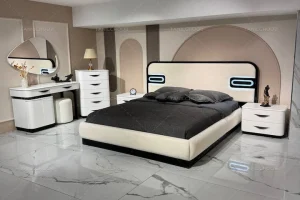
Bedroom design is not just about choosing a bed and wall color, it is an art form where every detail plays a vital role in creating a relaxing, functional, and personal environment. The bedroom is not just a place to rest, but a place that shapes your spirit, mood, and even your mental health. By following careful and intelligent principles, you can create a space that is not only pleasing to the eye, but also helps you sleep deeper, rest better, and face the new day with more energy. Today, in this article, we will examine the principles of bedroom design. Stay with us.
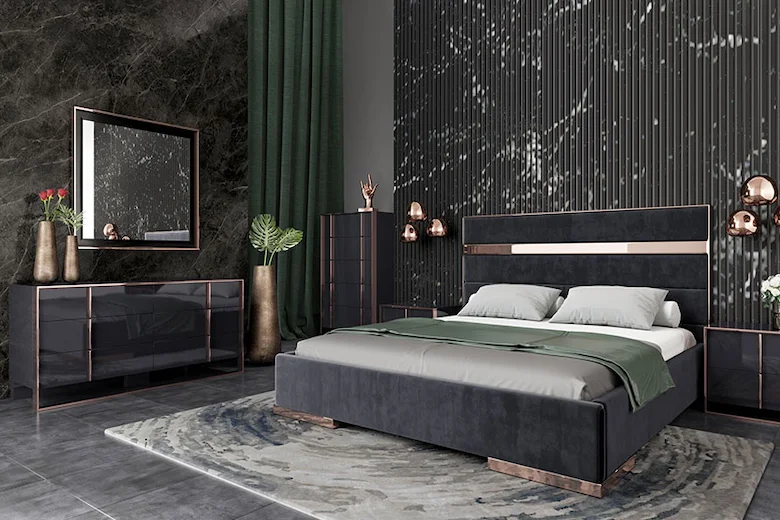
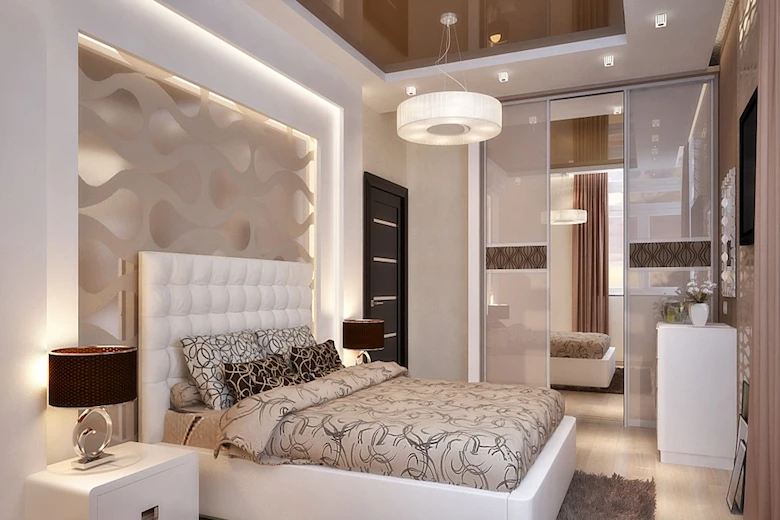
Bedroom Design Principles
In order to create an attractive and relaxing environment for your rest time or to create an environment that provides sufficient focus for your daily tasks, you need to benefit from the most professional bedroom decoration principles. Join us as we continue to examine these principles:
Choose calming colors
In bedroom design, colors play a decisive role in creating a sense of peace and comfort. Colors such as light blue, soft green, soft gray, and pale pink are ideal choices due to their calming psychological effects. These colors not only create a soft and cool atmosphere, but also help reduce stress and improve sleep quality. For a modern and minimalist bedroom design, combining a primary color with one or two soft complementary colors provides a professional and harmonious result. In this regard, it is necessary to use the principles of color psychology to get the best result.
Choosing the right bedding
The bed is the heart of any bedroom design and should coordinate with the other elements of the space, both visually and functionally. Beds with low-height legs and simple fabric or wooden headboards contribute to a modern and relaxing bedroom design. Also, the space around the bed should be designed in a way that allows easy movement and access to essentials. Choosing compact and multifunctional furniture, such as under-bed cabinets or headboards with shelves, not only increases storage space, but also prevents visual clutter and gives the bedroom design a harmonious and smart look.
Smart and diverse lighting in bedroom design
Use of soft, warm lights (low power and color temperature 2700K to 3000K) to create a sense of relaxation, and focused, whiter lights for activities such as reading or getting dressed, are the basic principles of this section. Controllable lamps with smart devices or manual buttons allow you to adjust the light based on your needs and the time of day. It is worth noting that the use of double-layer curtains in the design of the bedroom helps to control natural light and create a suitable sleeping environment. Do not forget that the wrong or too cold lighting can disrupt the rhythm of sleep and reduce the quality of rest.
Creating visual balance and open space in bedroom design
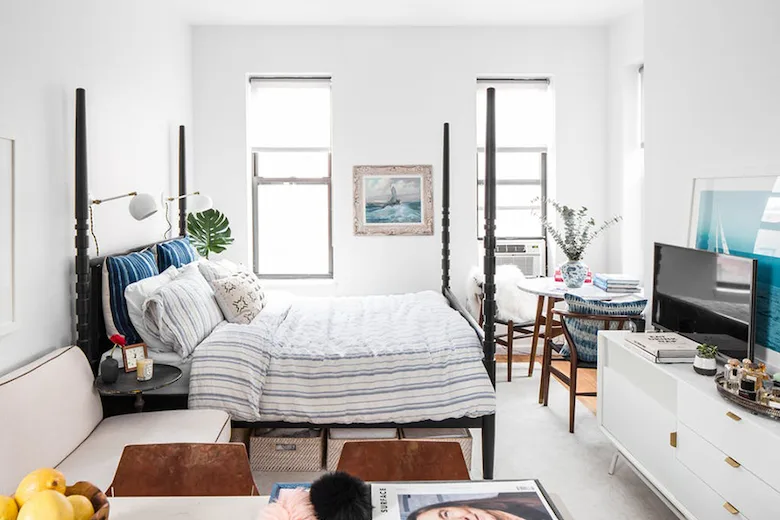
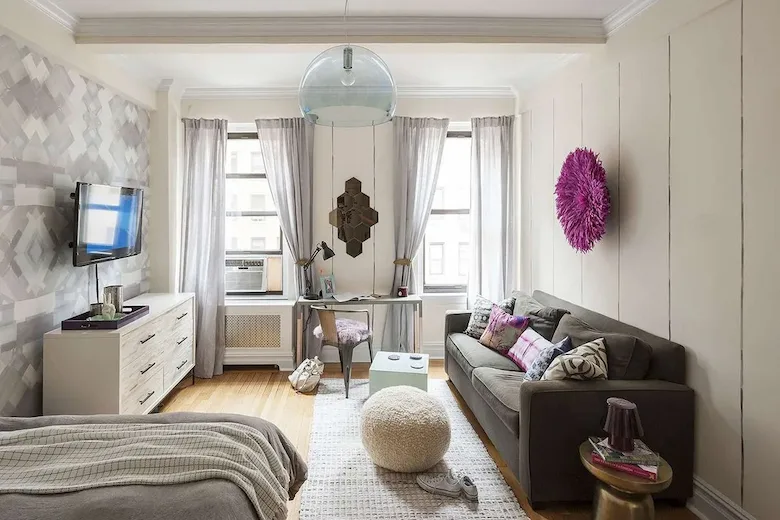
Another vital principle in bedroom design is to maintain visual balance and avoid clutter. Using symmetrical combinations and choosing objects with dimensions appropriate to the space of the room helps to create harmony and peace. Also, the empty space between objects should be managed in such a way that the room does not feel cramped or crowded. In the design of a small bedroom, the use of large mirrors, simple flooring and furniture with smooth lines creates a feeling of spaciousness and peace. These principles not only improve the appearance of the space, but also have a direct impact on the mood and comfort of the inhabitants.
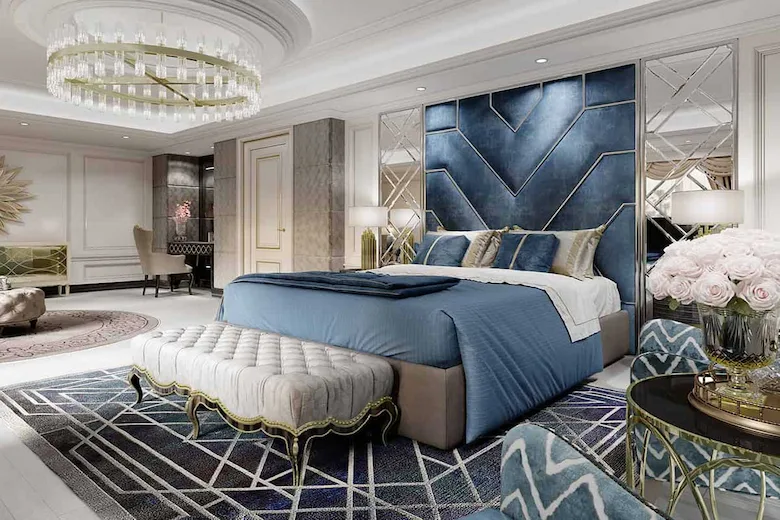
Choosing natural textures and materials
Using natural textures such as cotton, linen, wood, and wool in bedroom design adds a sense of warmth and craftsmanship to the space. These materials are not only aesthetically pleasing, but they also help reduce stress and increase comfort by creating a sensory connection with nature. For example, linen curtains, wool quilts, and wood flooring such as parquet create a warm and welcoming environment. Also, choosing high-quality and durable materials is not only effective in modern and luxurious bedroom design, but also economically reduces replacement costs in the future.
Smart combination of storage spaces
In bedroom design, storage should not be considered as a technical necessity, but as part of the visual and functional design of the space. Using wall-mounted wardrobes with frosted or mirrored doors and beds with shelves under the bed helps maintain order and reduce clutter. In bedroom design, handleless wardrobes with magnetic or push-opening doors both have a minimalist look and visually expand the space. Also, using basket bins or tissue boxes to store the smallest items is not only functional, but also acts as decorative elements.
Creating a calm sound environment
As you know, sound and acoustics are very important in bedroom design. Using sound-absorbing materials such as thermowood flooring, laminated curtains, and wooden acoustic wall covering can reduce external noise and create a quiet and relaxing environment. Also, choosing furniture with rubber or fabric bases and proper spacing from walls will prevent impact sound. It is important to remember that a proper acoustic environment not only improves sleep, but also affects daily mood.
Choosing personal decorations
Overall, your bedroom design should reflect your personal identity and interests. Using family photos, handmade paintings, or travel objects will create a personal and loving space. But these decorations should be chosen in the right size and quantity so as not to create a crowded and narrow space. Also, using small pots with calming plants such as sansevieria or zamioculcas will not only add visual beauty, but also purify the air of the space.
Creating visual focus
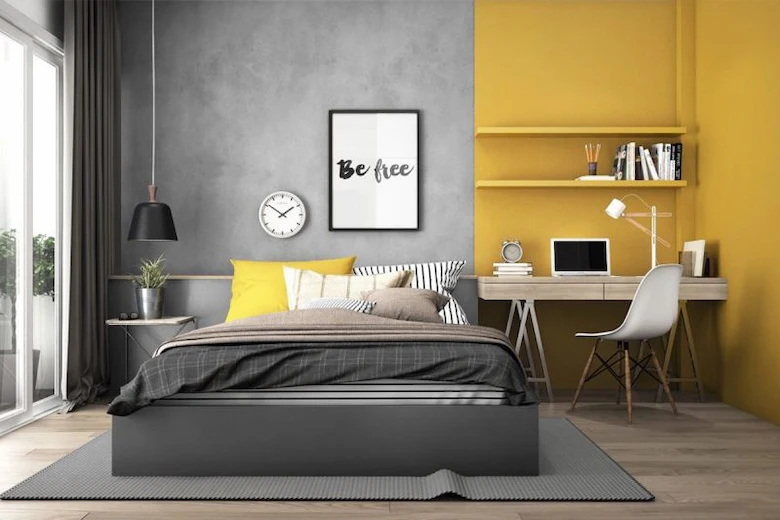
Every bedroom should have a focal point, such as the bed, the wall opposite it, or a large picture frame. This point attracts the eye and creates a purposeful and harmonious space. For example, using a specially designed headboard, a wall of a contrasting color, or a large painting can act as a center of attention. In bedroom design, combining focused lighting with this point, such as track lights or wall lamps, also helps to enhance the visual effect. This principle prevents the creation of a purposeless and confusing space and gives the bedroom design a professional and focused look.
Attention to small, practical details
Small but practical details can make a big difference in bedroom design. For example: small frames for storing glasses or phones by the bed, curtains with magnetic edges for easy closing, or even a small table with a wireless charger. In bedroom design, the use of smart controls for light, temperature, and sound not only increases comfort, but also modernizes the look of the space. These details show the care and attention to quality in bedroom design and create a space that is both beautiful and fully functional.
Final Words
As you can see, in this article, we have thoroughly examined the principles of bedroom design. We have learned that bedroom design is a combination of science, art, and feeling. By following the principles, you can create a room that is not only beautiful, but also smart, relaxing, and completely in line with your lifestyle. Thank you for your support until the end of the article.
At Ohaddeco, we specialize in the design and implementation of various types of wooden acoustic wall coverings, wooden thermowall, and LSF structure. Dear friends, you can contact us through the communication bridges for more information and free consultation.