Designing a villa’s green space is one of the most important steps in creating a peaceful, beautiful and efficient environment that plays an important role in improving the quality of life and increasing the value of the property. A villa’s green space is not just a place to plant flowers and plants, but a combination of science, art and engineering that aims to create a balance between nature and architecture. But simply beautiful design is not enough. To maintain the freshness and durability of this space, basic care and maintenance are essential. Today and in this article, we intend to fully familiarize you with the principles of designing a villa’s green space. So don’t miss this article and follow us until the end.
The importance of designing a villa's green space
Designing the green space of a villa in principle not only helps to increase the visual appeal and value of the property, but also has a significant impact on the physical and mental health of the residents by creating an environment full of freshness and positive energy. The appropriate combination of plants, trees, paths, fountains and lighting in the green space creates a sense of luxurious living in harmony with nature and allows the villa residents to enjoy clean air and natural scenery. In addition, designing the green space of the villa, taking into account the climate, the amount of light, and practical needs, also helps to reduce ambient temperature, control noise pollution and save energy.
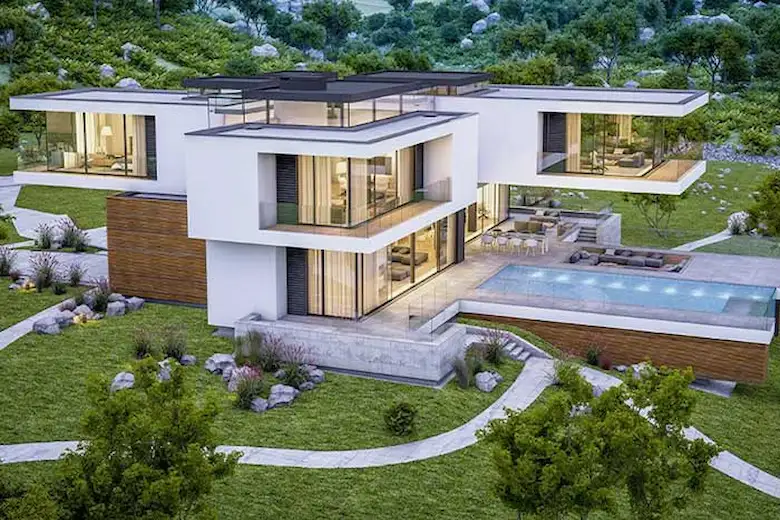
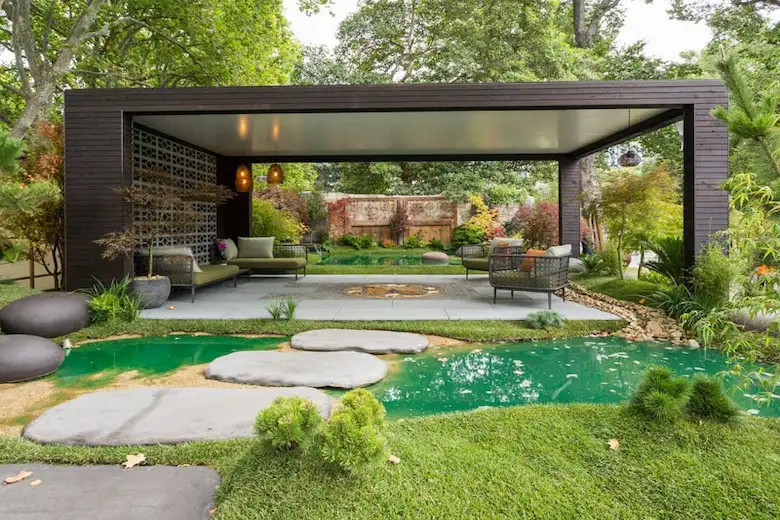
Principles of villa green space design
Designing a villa’s green space is one of the most important steps in creating a beautiful, relaxing, and harmonious environment. This part of the design not only completes the appearance of the villa, but also helps the mental and physical health of the residents by creating a balance between natural and architectural elements. Below, we will examine 7 principles of designing a villa’s green space. Join us:
Site and Climate Analysis – Establishing a Principled Design
The first and most important step in designing a villa’s green space is to fully understand the terrain and climatic conditions. Examining the geographical location, angle of sunlight, soil type, wind direction, and access forms the basis for making decisions about the selection of plants, paths, and decorative elements. This step is usually done in collaboration with experts and in the form of construction consulting so that the final design is optimal in terms of energy consumption, maintenance costs, and durability against environmental conditions. A detailed site analysis ensures that the green space is not only beautiful but also functional, low-cost, and long-lasting.
Harmony with the villa architecture – the connection between structure and nature
The design of the villa’s green space should be completely in harmony with the architectural style of the building so that the overall perception of the space becomes coherent and pleasant. The choice of materials, design lines, plant heights, and even the form of paths should be consistent with the type of architecture. For example, in modern villas built with advanced technologies such as LSF structure, the design of the green space should also be minimal, clean, and structured to match the simple and light form of these types of structures. In contrast, classic or traditional villas need diverse plants, paved paths, and natural fountains to convey a sense of authenticity and warmth.
Plant Selection and Ecological Sustainability – Beauty Alongside Durability
Choosing the right plant species is one of the most important parts of designing a villa’s green space. Plants should be compatible with the climatic conditions of the area, resistant to water shortages, and have low maintenance requirements. Using shade trees to regulate temperature, evergreen plants to maintain beauty in all seasons, and green covers to prevent soil erosion are key points in this section. In projects that use prefabricated systems such as kit house, choosing the right plant cover not only creates privacy, but also helps improve ventilation and reduce surface heat. This sustainable approach reduces both maintenance costs and helps protect the environment.
Design of paths, living spaces and materials
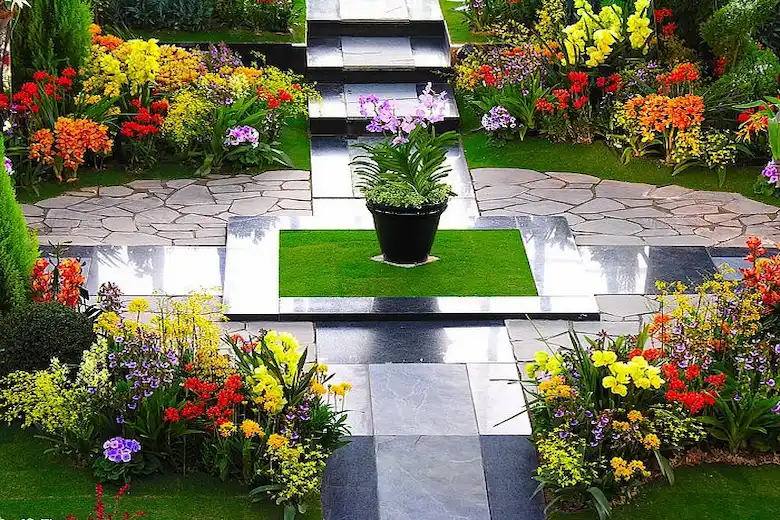
In the design of the green space of the villa, paths and circulation spaces play an important role in organizing the environment. The use of natural and durable materials such as thermowood flooring on terraces, garden paths and around the pool not only creates a warm and luxurious look, but is also resistant to moisture, temperature changes and erosion. The designed paths should be such that access to key spaces such as the gazebo, pool or villa entrance is easy, and at the same time, with soft and proportionate lines, they inspire a sense of calm and natural movement.
Lighting and acoustics – completing the sensory experience of the space
Proper lighting and sound control in green space design are factors that directly affect the sense of peace and security of the space. Hidden lights in paths and under trees, in addition to being beautiful, increase safety at night. Using warm lights for living spaces and white lights for paths creates visual balance. On the other hand, in the design of areas close to the road or noisy spaces, acoustic elements such as green wall or wooden acoustic wall covering can be used in the side sections to reduce disturbing sounds and enhance the sense of natural peace. This combination of light, sound, and wooden textures brings a multi-sensory and pleasant experience to residents.
Placement of decorative elements and side structures
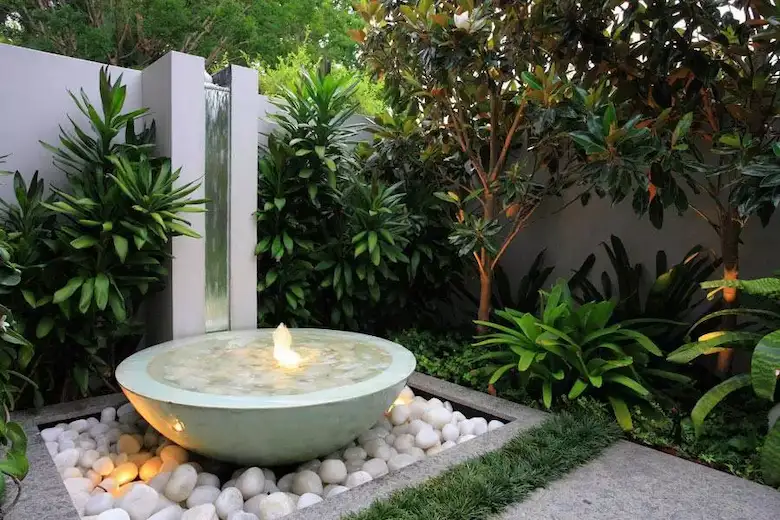
One of the important principles in designing a villa’s green space is the correct placement of decorative elements such as fountain, gazebos, stone sculptures, flower box, and decorative lighting. These elements play the role of a focal point in the area and help guide the eye and create a visual rhythm in the space. In professional design, the size ratio of these elements to the dimensions of the villa and garden must be maintained so that the space does not look too crowded or empty. A balanced combination of water, stone, and plants creates a sense of balance and tranquility in the environment. The use of natural materials that are in harmony with the villa’s architecture, such as wood, stone, and stainless steel, makes the final design look durable, luxurious, and in harmony with nature.
Sustainable maintenance and development
The last and perhaps most important principle in designing a villa’s green space is planning for long-term maintenance and sustainability. Even the most beautiful designs will quickly lose their quality if left without a regular maintenance plan. Therefore, from the very beginning, the type of plants, irrigation system, drainage paths, and materials selected should be such that the environment can be kept in the best condition with the least cost and manpower. Designing smart irrigation systems, selecting plants that require little water and light, and using durable materials such as thermowood and natural stone are among the measures that ensure the longevity of the project. Also, by implementing environmental standards, the green space can be designed in a sustainable and environmentally friendly way so that it maintains its beauty and efficiency over the years.
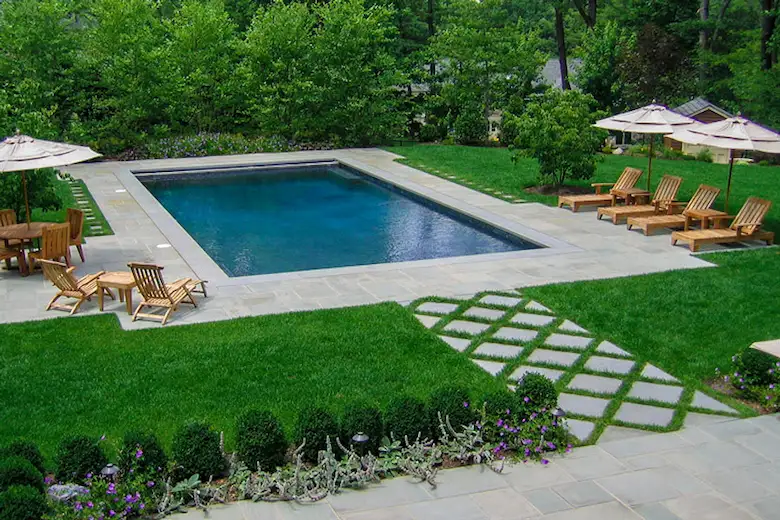
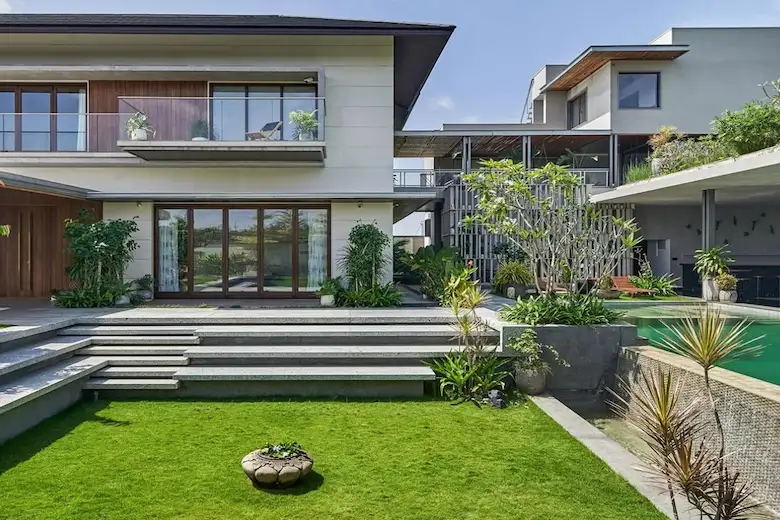
Solutions for taking care of the villa's green space design
But in order for the green space of your villa to always maintain its beauty and freshness, paying attention to a few simple points after designing the green space of the villa can be very helpful:
Regular cutting, pruning and plant inspection
To maintain the beauty and health of the garden, a scheduled schedule for pruning trees, removing branches, and collecting dead plants is essential. Regular pruning not only ensures healthy and balanced plant growth, but also prevents the creation of disproportionate shadows that can impair the view and access to the building facade. At each visit, attention should be paid to signs of disease or pests, broken branches, and foliage density, and measures such as shaping pruning, removing infected branches, and picking weeds should be taken so that the plant composition always remains fresh, tidy, and in harmony with the overall decor of the villa.
Irrigation management and soil care
Accurate irrigation tailored to the needs of the species, along with maintaining soil structure and fertility, are the main pillars of villa green space care. Using smart drip irrigation systems with seasonal timing, measuring soil moisture, and adding mulch to maintain moisture prevents excessive evaporation and reduces the need for water. Also, conducting periodic soil tests and correcting pH and nutrients according to the results ensures that plants receive the necessary substances for growth and prevents problems such as yellowing leaves or flower drop. This scientific and targeted approach reduces maintenance costs and ensures the continued beauty of the garden.
Aerobic strengthening and seasonal nutrition
To maintain freshness and regular flowering, a seasonal fertilization program should be developed based on the needs of the plants, along with biological care to prevent and control pests and diseases. The use of integrated agricultural methods such as soil biofertilization, selection of environmentally friendly pesticides, and planting natural host species of pest enemies helps minimize the use of chemical pesticides. This nutritional and protective program not only increases the lifespan of the plants but also maintains the visual quality and ecological function of the villa’s green space.
Maintenance of lighting systems and electrical installations
Proper lighting and regular maintenance of electrical equipment are an important part of landscape care; to maintain safety and nighttime appeal, periodic inspections of cables, connections, posts, and lamps should be made, the waterproofness of components checked, and lights cleaned or replaced as necessary. Adjusting the angle and intensity of light to emphasize paths, trees, and focal points increases safety and beauty. This specialized care makes the lighting of the area both functional and enhances the visual appeal of the garden at night.
Maintenance of hard surfaces, skips and decorative elements
Elements such as flooring, garden furniture, fountains and walls require regular maintenance to always present a neat and modern look. Periodic cleaning of flooring, checking furniture joints, periodic servicing of fountain pumps and repairing seams and coatings prevent erosion and decay. In addition, proper maintenance of these elements helps maintain the integrity of the design and with continuous maintenance and cleaning, the exterior decoration of the villa always remains fresh and in harmony with the green space.
Final Words
As you can see, in this article, we have thoroughly reviewed the villa green space design guide. We learned that designing the villa green space in a principled manner is the key to maintaining the visual and functional appeal of the environment over time. Implementing regular programs for irrigation, nutrition, pruning, lighting, and maintenance of side structures prevents natural erosion and quality loss and ensures that the villa always maintains its freshness and harmony with nature. Therefore, using modern equipment, high-quality materials, and complying with environmental standards transforms the green space into a lasting and dynamic environment. Thank you for your support.
Ohaddeco Group specializes in the design and implementation of interior and exterior decoration. You, our esteemed companions, can contact us through the communication bridges for more information and free consultation.