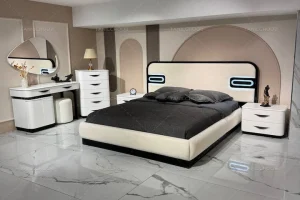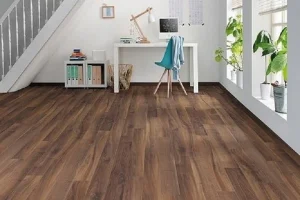
Parquet is one of the most popular and widely used wooden floorings, which is considered an ideal choice for homes, offices, and commercial spaces due to its natural beauty, high durability, and wide variety of colors and designs. This flooring not only gives a luxurious and pleasant look to the environment, but also has a special place in interior design due to its unique features such as heat and sound insulation, easy maintenance, and environmental friendliness. By familiarizing yourself with the construction, installation, and features of parquet, you can make a smart and practical choice for any type of space and benefit from its beauty and quality in the long term. In this article, we will introduce parquet. Stay with us.
What is parquet?
Parquet is one of the most popular and widely used floor coverings in buildings, made from natural or engineered wood pieces, and has been widely used in the interior design of homes, offices, and commercial spaces due to its stylish appearance, high durability, and the possibility of a variety of colors and designs. Parquet is usually produced in rectangular or square pieces and is installed on the floor with glue or a click system, in such a way as to create a uniform, beautiful, and wear-and-impact-resistant surface. The main advantage of parquet over other floorings such as ceramic or stone is the natural warmth and beauty of wood, which gives a luxurious and pleasant appearance to the environment and at the same time is considered sound and heat insulation.
In addition, parquet is relatively easy to install and maintain, and the possibility of repairing and re-sanding it makes it have a longer useful life. For this reason, parquet is not only a practical option but also a smart choice for those looking for a combination of beauty, quality, and comfort in their home or office flooring.
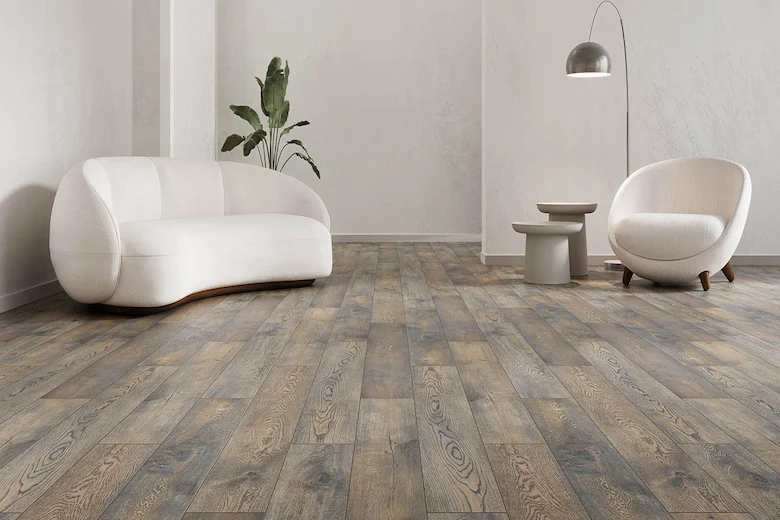
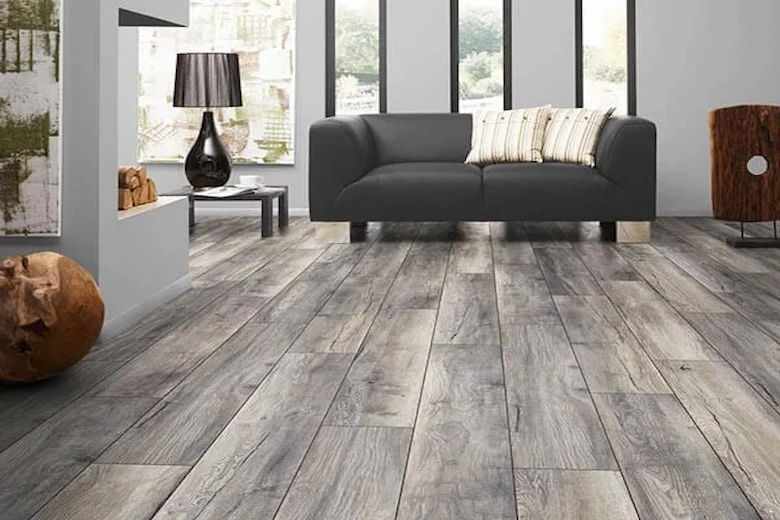
How to make parquet
Parquet, as one of the most popular types of wood flooring, goes through a rigorous production process to meet high standards in terms of both quality, durability and beauty. First, high-quality natural woods are selected and sorted based on their type and hardness. Then, the woods are cut to the required thickness and dimensions, and during the drying stage, their moisture content is reduced to a standard level to prevent warping and cracking in the future. Next, depending on the type of parquet, an engineered or natural process is performed on the wood. Engineered parquet involves gluing multiple layers of wood with different fibers together to create greater stability and resistance.
While natural parquet is made from only one layer of wood. After cutting and layering, the parquet surface is sanded and a special varnish or oil is applied to increase durability and beauty. Finally, the parquet pieces are packaged and ready to be marketed, so that each piece not only has high resistance to pressure and abrasion, but also gives a natural and luxurious look to the interior space. This precise and engineered process makes the parquet durable, beautiful and resistant for years, making it an ideal choice for home, office and commercial flooring.
Step-by-step guide to installing parquet
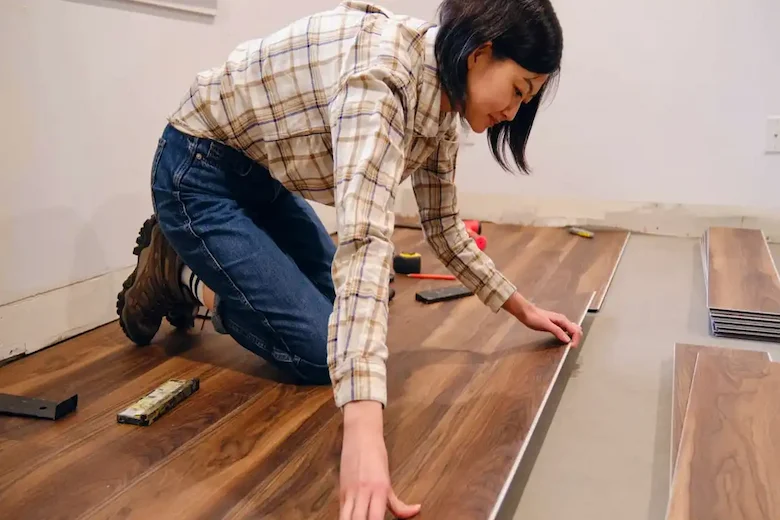
In general, installing parquet flooring is an easy but precise process that should be carried out by people with high technical skills. Join us as we review the installation guide for this wooden flooring:
Floor surface preparation
Before installing parquet, the most important step is to prepare the floor surface. The floor must be completely flat, dry, clean, and free of dust, grease, or unevenness. If the floor surface is uneven, you must first smooth the surface using a special mortar or primer so that the parquet adheres well and after installation, you have a smooth and even surface. This step not only makes the floor look beautiful, but also prevents premature damage and squeaking of the parquet. It is also very important to check the moisture content of the floor, because the presence of moisture can cause the parquet to swell or be damaged.
Parquet selection and preparation
After preparing the floor, you need to choose the right parquet for your space and needs. Parquets are available in natural and engineered wood types, with different colors, thicknesses and patterns. Before installation, it is recommended to leave the parquet packages in the installation environment for at least 48 hours to adapt to the room temperature and prevent deformation after installation. It is also very important to check the quality of each piece of parquet, whether it is cracked, warped or uneven, so that after installation, the flooring is uniform and durable.
Installing the subfloor or foundation
The underlayment, or subfloor, plays an important role in the installation of parquet flooring and, in addition to increasing its durability, is also considered a heat and sound insulator. Usually, special foams or thin plastic layers are used as underlayment, which protect the parquet from moisture in the floor and make it easier to install. This layer also makes the parquet pieces less noisy when walked on and makes the flooring softer and more comfortable. Proper installation of the underlayment is the key to the long-term durability of the parquet flooring and preventing problems such as swelling and cracking.
Parquet layout and installation
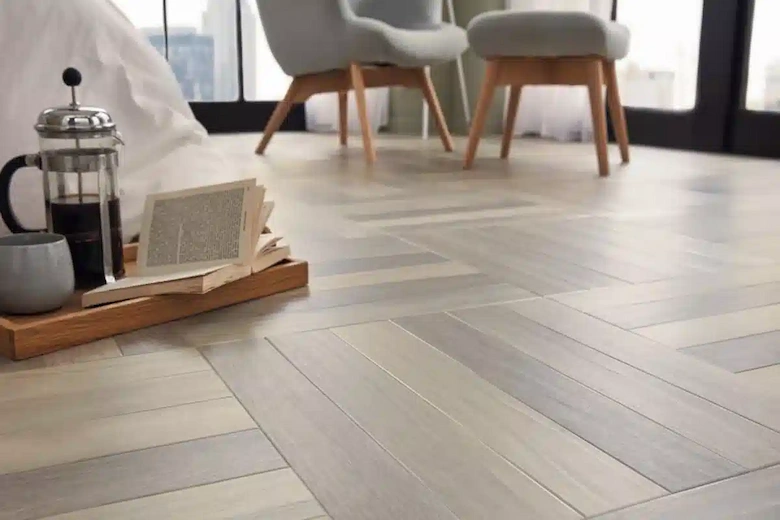
At this stage, the parquet is laid on the floor in a chosen pattern. Common patterns include horizontal or checkered patterns. The installation method can be glued or click-on. In glued-on installation, special parquet adhesive must be used and each piece must be carefully glued to the floor. In click-on installation, the parquet is connected to each other with a locking system and placed on the subfloor without glue. Maintaining an appropriate distance from the walls (about 8 to 10 mm) is very important for the expansion and contraction of the wood due to changes in temperature and humidity.
Final fixation and cutting
After installing the parquet, it is necessary to cut the edges and corners using a suitable tool such as a hand saw to match the exact size of the walls and corners. Then, to prevent the parquet from shifting or opening, it is recommended to use wooden or plastic skirting boards around the perimeter. This step not only helps to stabilize the parquet but also makes the final appearance of the flooring more beautiful and neat.
Final maintenance
After installation, the parquet surface may need to be polished to create a natural wood finish and shine. Also, applying a special oil or varnish increases the parquet’s resistance to moisture, scratches and stains. Regular maintenance includes cleaning with damp cloths and using special parquet cleaners to extend the useful life of the flooring and preserve the natural beauty of the wood. Following these tips will ensure that your parquet remains trouble-free and attractive for years to come.
Advantages of using parquet
Now you may be wondering why parquet flooring has received so much attention today? Join us as we explore the benefits of using this flooring:
The natural beauty and appearance of wood
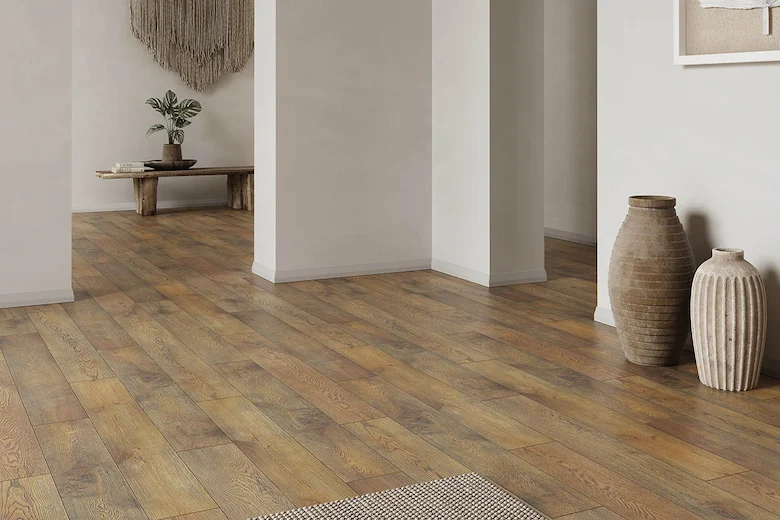
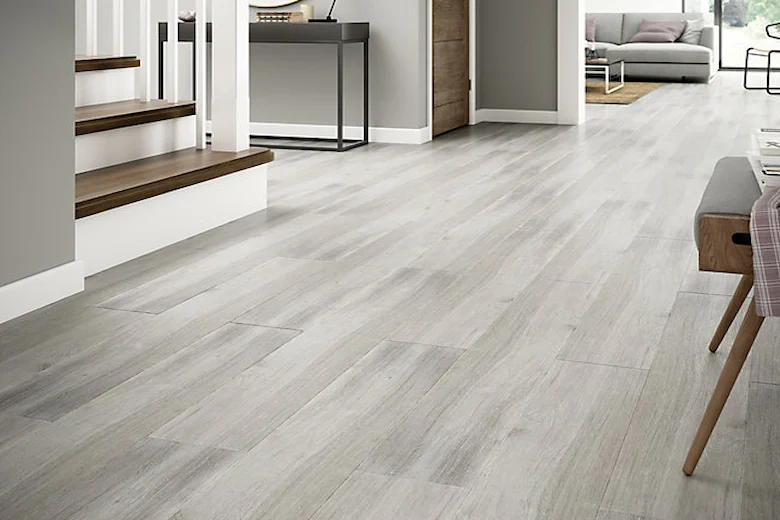
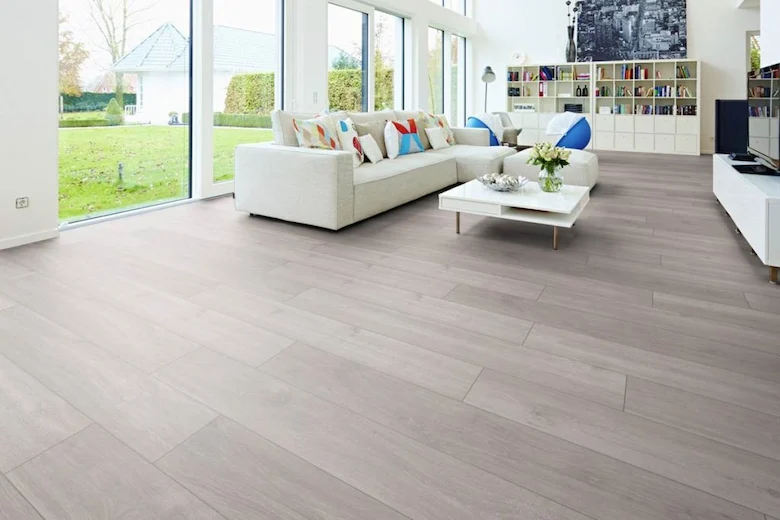
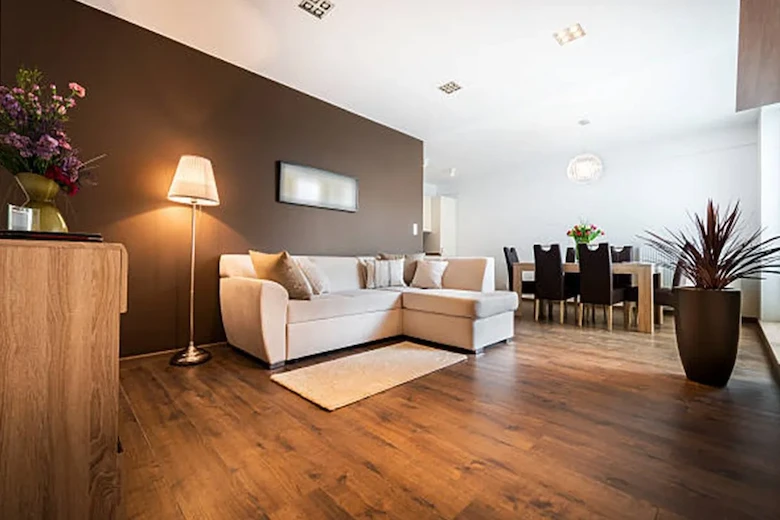
One of the most prominent features of parquet is the beauty and natural appearance of its wood. Parquet, with its diverse wood textures and colors, gives a warm, pleasant and luxurious atmosphere to the environment and can significantly enhance the interior decoration of a home, office or store. Due to its close resemblance to natural wood, this flooring creates a sense of intimacy and comfort and makes the interior look more beautiful and attractive. The variety of colors and patterns of parquet also allows interior designers to perfectly coordinate with furniture and decor according to their taste and style.
High durability and resistance
Parquet floors are made from quality natural or engineered wood, making them durable and resistant to wear, impact, and pressure. Proper installation and the use of appropriate underlayments will ensure that the parquet floor will remain intact for years without cracking or warping. This feature has made parquet flooring an economical and long-lasting flooring option for homes and commercial environments, as it is less expensive to repair and replace than other flooring options.
Heat and sound insulation
In addition to its beauty, parquet plays an important role in thermal and acoustic insulation. The wooden layer and its substructure help to retain heat in the environment and reduce the energy consumption for heating the house. Also, parquet reduces walking and impact noise due to its dense and flexible structure, making it a suitable option for apartments and offices. This feature allows parquet to create both thermal comfort and a quiet environment without acoustic noise.
Easy maintenance capability
Another important advantage of parquet is its easy maintenance. The surface of parquet can be restored to its original appearance by sanding, polishing, and applying oil or varnish. Unlike flooring such as ceramic or stone, which usually requires complete replacement if cracks or gaps are filled, parquet can maintain its beauty and functionality by replacing only a few damaged pieces. This feature increases the lifespan of parquet and reduces maintenance costs, making it a smart choice for both home and office.
Environmental compatibility
Natural wood flooring is made from sustainable sources of wood and has a much lower environmental impact than synthetic flooring. Even engineered flooring uses layers of compressed and recycled wood, helping to reduce the waste of natural resources. This feature makes parquet not only aesthetically pleasing and comfortable, but also an environmentally friendly choice for those who care about sustainability and the preservation of natural resources.
The best environments for using parquet
In general, the following environments can be transformed into more attractive environments by using parquet:
Offices
Hotels and lobbies
Stores and boutiques
Restaurants and coffee shops
Conference and convention halls
Lightweight gyms and yoga studios
Kindergartens and educational spaces
Libraries and cultural centers
Final Words
As you can see, we have fully introduced parquet in this article. We have learned that parquet, with its combination of the natural beauty of wood, high durability and easy installation, is a perfect and smart choice for flooring in various environments. From living rooms and bedrooms to offices, hotels and shops, parquet has been able to meet the different needs of users and create a warm, stylish and relaxing atmosphere. Easy maintenance, repairability and its thermal and acoustic insulation properties have made parquet an economical and valuable option in the long term. Thank you for your support.
Ohaddeco Group specializes in the design and implementation of various types of wooden acoustic wall covering, wooden thermowall and LSF structure. Dear friends, you can contact us through the communication bridges for more information and free consultation.